
The Photos That Make People Want to Book a Kaza
Karim thought he'd shown his house. He'd only shown that it existed. What changed when a friend pointed out the obvious.
Karim, 44 ans — Annecy
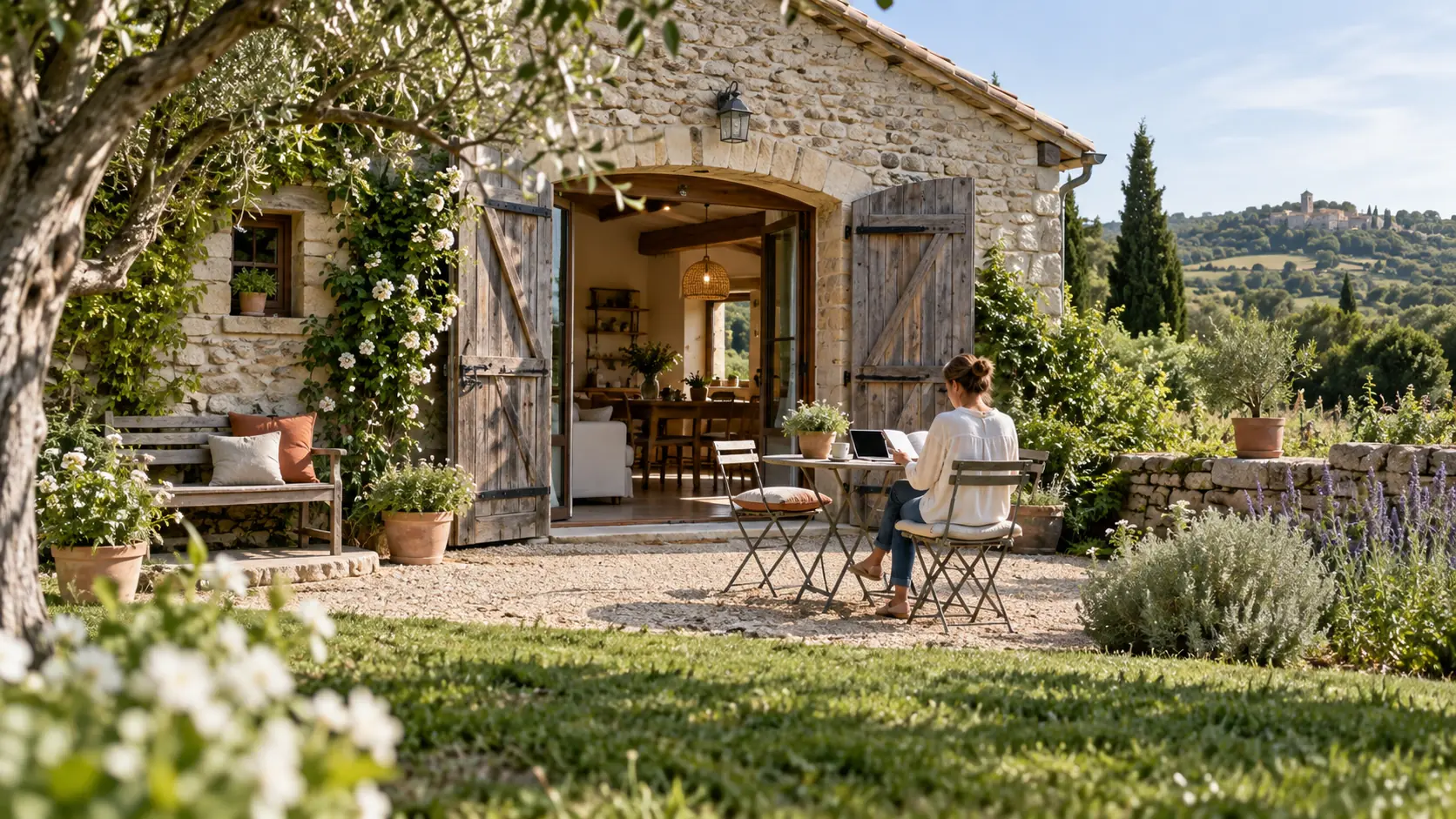
Karim created his Kaza in Annecy in April, a two-room place with a garden that he only uses in summer, inherited from his grandparents. He put it online with three photos taken one evening on his way home from work, shutters half closed, from the doorway. "I figured the essentials were there: you could see the living room, the bedroom, the view of the garden." For two months, his listing got no requests at all, even as other Kazas in his area, less well located in his view, were getting them regularly.
What He Had Put Online
The three photos weren't bad in the sense Karim meant: nothing blurry, nothing unflattering, nothing that would give a bad impression of the house. They showed the home, technically. "Looking back, they didn't make you want anything in particular. They looked like photos taken for an insurance report, not to invite someone over."
It's a common confusion for someone publishing their first Kaza: documenting the home rather than making people want to be there. A photo that proves a bedroom exists and a photo that makes you want to move into it aren't taken the same way, even if the subject is identical. The difference is rarely about equipment, almost always about the choice of what you show.
The Trigger
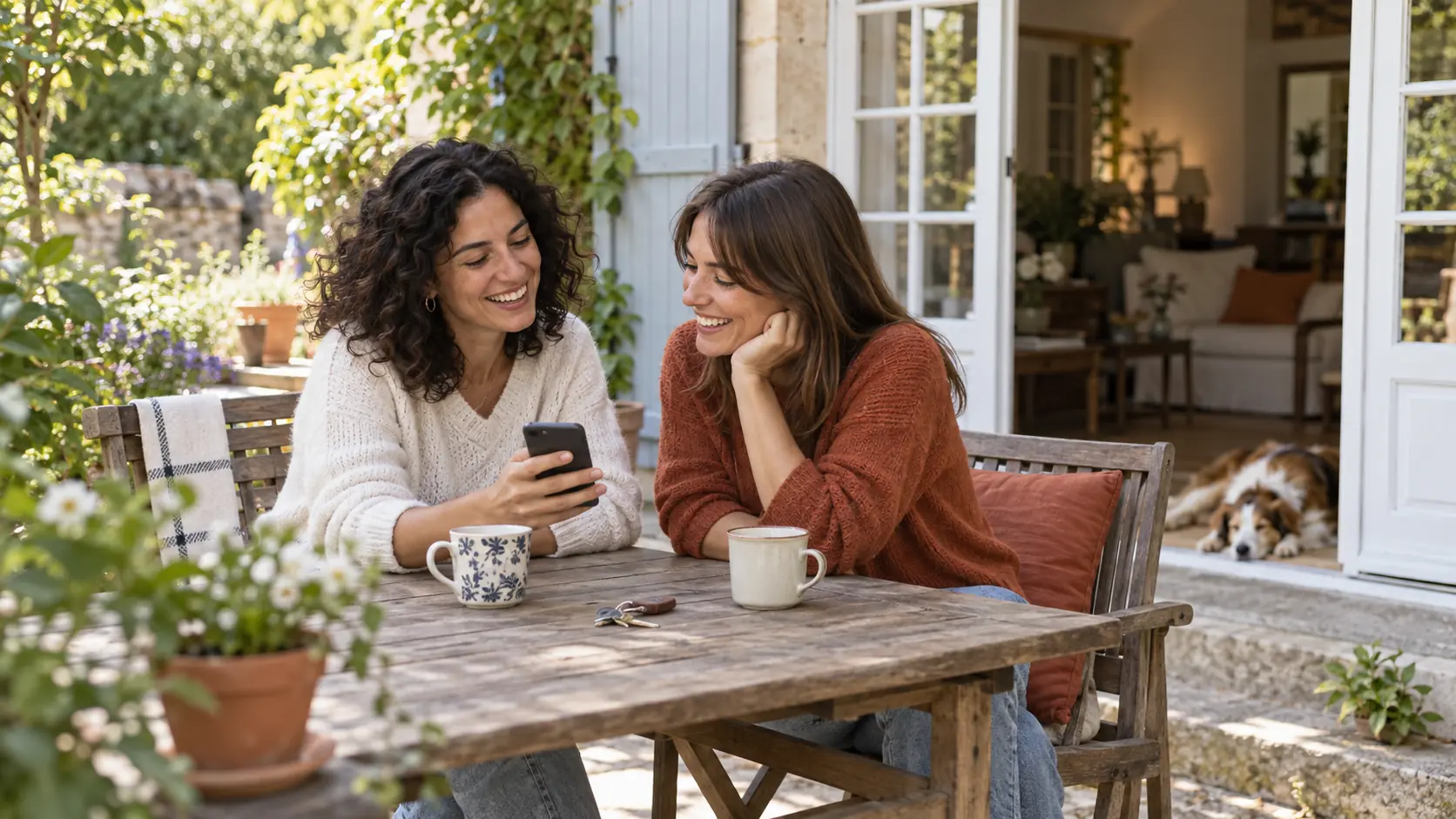
"A friend from my Klub said, looking at my phone over my shoulder: 'wait, is that your Kaza? It looks like an empty room, you can't even tell you have a fireplace.'" Karim hadn't photographed the living room's stone fireplace, even though it's the first thing most visitors notice. "I saw it every day, I'd completely forgotten it could appeal to someone else. What's familiar to me, I stop thinking to show it."
"I thought I'd shown my house. I'd only shown that it existed."
What He Changed
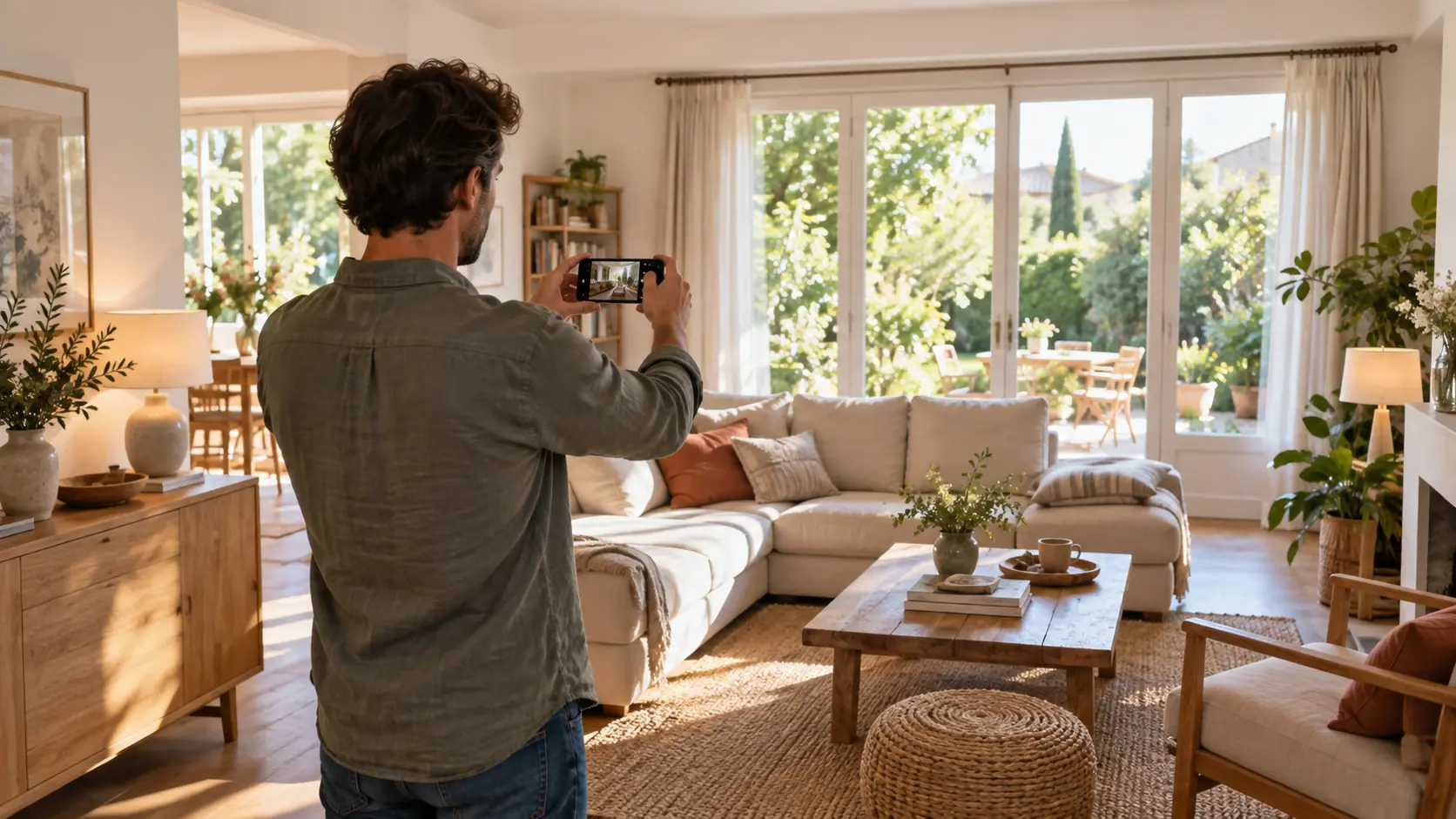
Karim retook his photos one Sunday morning, with his phone, with no extra equipment or dedicated app. A few simple principles were enough to transform the result:
- Daylight, shutters open. His first photos had been taken in the evening, under artificial light. Retaken on a sunny morning, the same rooms looked twice as big and twice as warm.
- One standout feature per photo. Rather than a general view of each room, he isolated what made the home distinctive: the fireplace, the view from the bedroom, the wooden table under the garden's linden tree.
- A tidied room before shooting. No real-estate-agency-style staging — just clearing what was lying around on the furniture, ten minutes of tidying before each shot.
- The phone held horizontally, at chest height. A small detail that makes a big difference: photos taken from the floor or from up high distort rooms and make them harder to read.
- Photos retaken rather than recycled. He'd first considered reusing a photo taken years earlier for an insurance claim. "It was technical, not welcoming. You could feel it, even without knowing why."
- Six photos instead of three. Enough to cover the living room, the kitchen, a bedroom, the outside, and the famous standout feature — without having to cram everything into a single image.
"It took me a bit over an hour, including sorting through them. I didn't buy anything, didn't download anything, didn't even look up a tutorial."
What Changed
In the month after updating the photos, Karim received four access requests, compared with zero in the two previous months. "I can't scientifically prove it was only the photos. But nothing else changed on the listing in the meantime — same address, same description, same availability. The only variable is what you see when you land on it. Before, someone scrolling through the Klub's Kazas would pass mine without stopping."
One of the members who has since stayed there confirmed it to him directly: "He told me the photo of the fireplace made him stop while scrolling through our Klub's Kazas. Not the description, not the number of bedrooms — the photo, even before reading the rest."
Who This Speaks To
This applies to Kazas already online but with no photo, or with photos added quickly at creation and never revisited since. No professional equipment is needed: a phone, daylight, and ten minutes of tidying are enough to turn a listing that documents a home into one that makes people want to discover it. The most useful habit often stays the simplest: ask someone from the outside what they notice first in the photos, before publishing them.