

Sharing instead of paying
A house left empty ten months a year costs as much as one that's lived in. Sharing it between close ones fills it without renting it out — and lets you travel without paying for a place to stay.
Testimonials
Real situations, told in detail: what wasn't working before, what changed, and what difference it made. Two themes come up in almost every story.
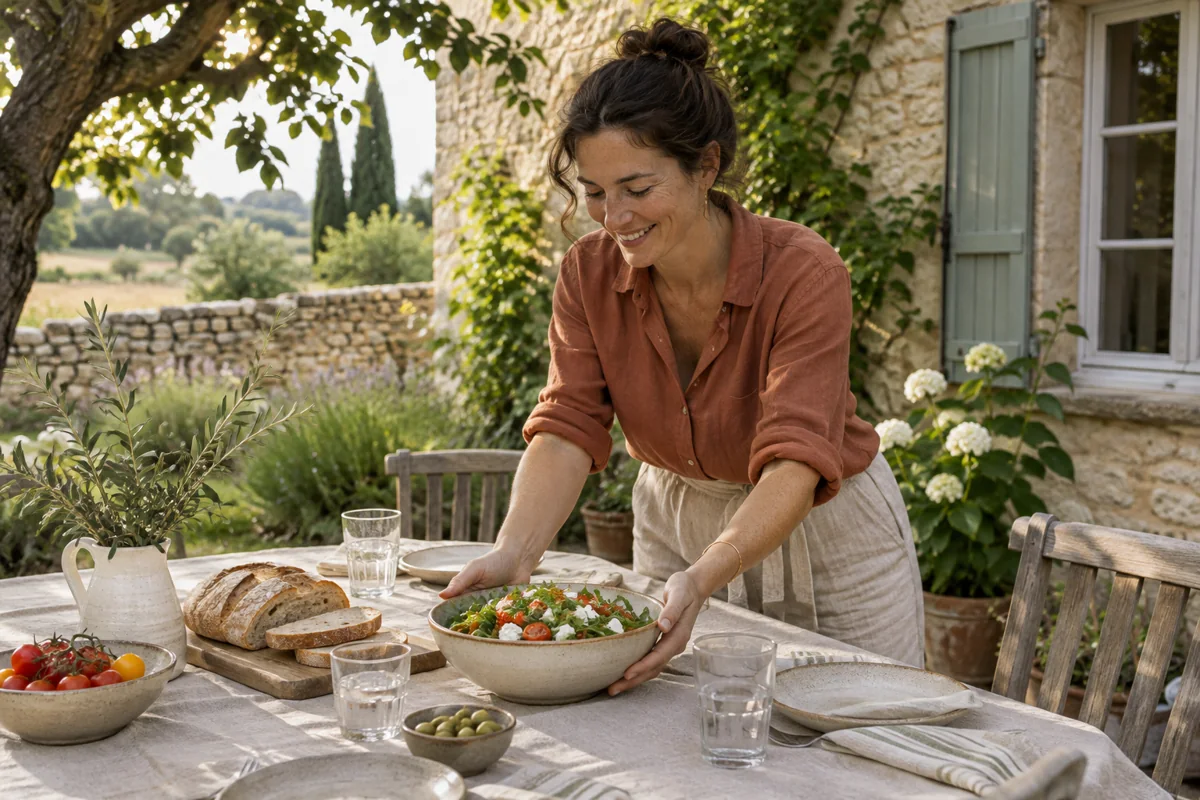
A house left empty ten months a year costs as much as one that's lived in. Sharing it between close ones fills it without renting it out — and lets you travel without paying for a place to stay.
You choose whether your Kaza shows up in search or stays visible only to your own Klubs. Being findable never means being bookable: every request goes through you, you accept or decline, and you can withdraw access whenever you want. No price, no deposit, no stranger showing up.
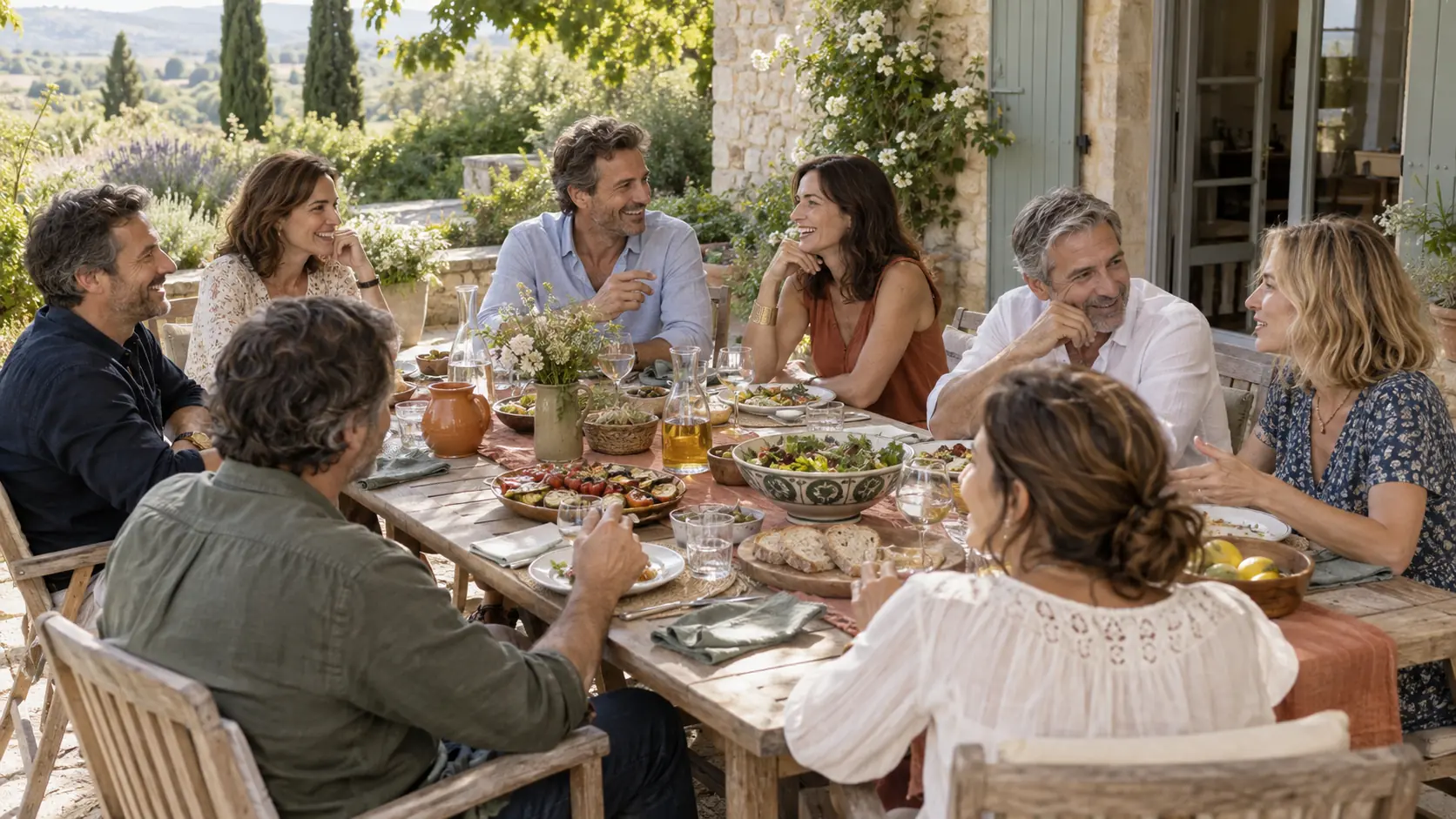
Before signing up, Vincent dreaded losing his grip on his house by sharing it. A year and about ten loans later, he explains why that fear never came true.
Read the case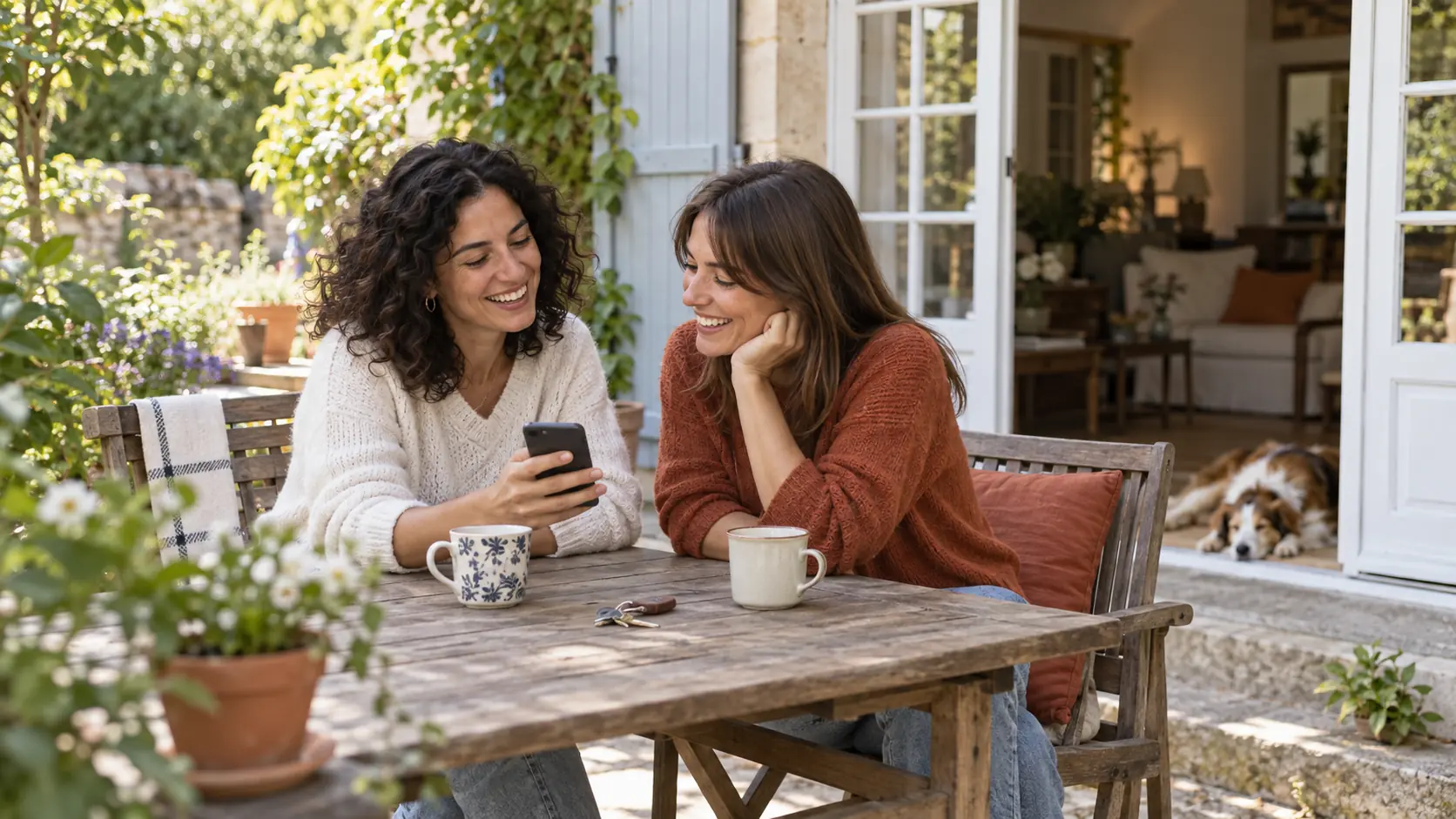
Yasmine thought a Klub was built with ten people. Hers started with just one other person — her best friend — and that was enough to change everything.
Read the case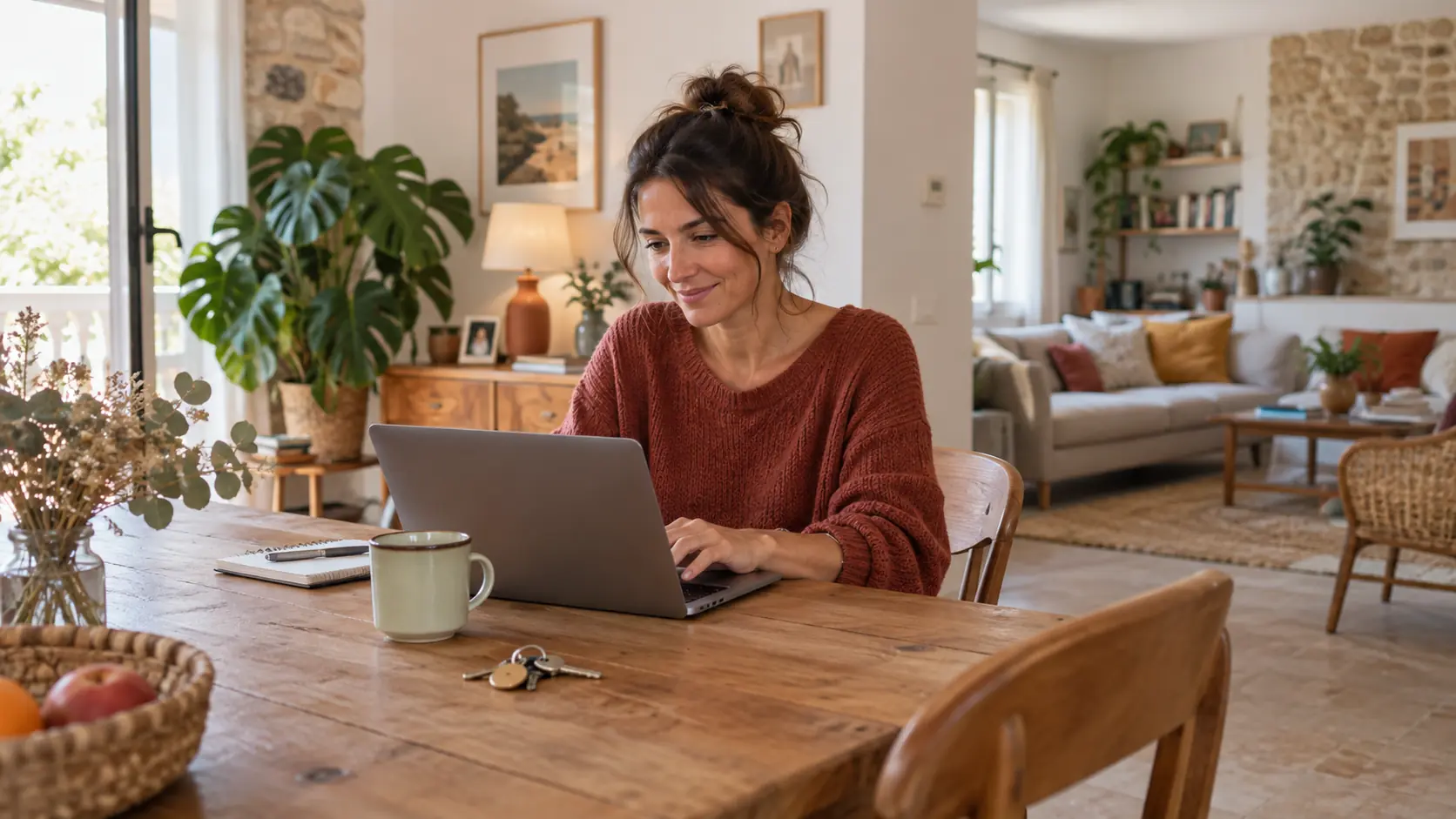
Élise had polished everything on her listing, except one thing: her availability. For three months, that alone was enough to make her unreachable to anyone searching for actual dates.
Read the case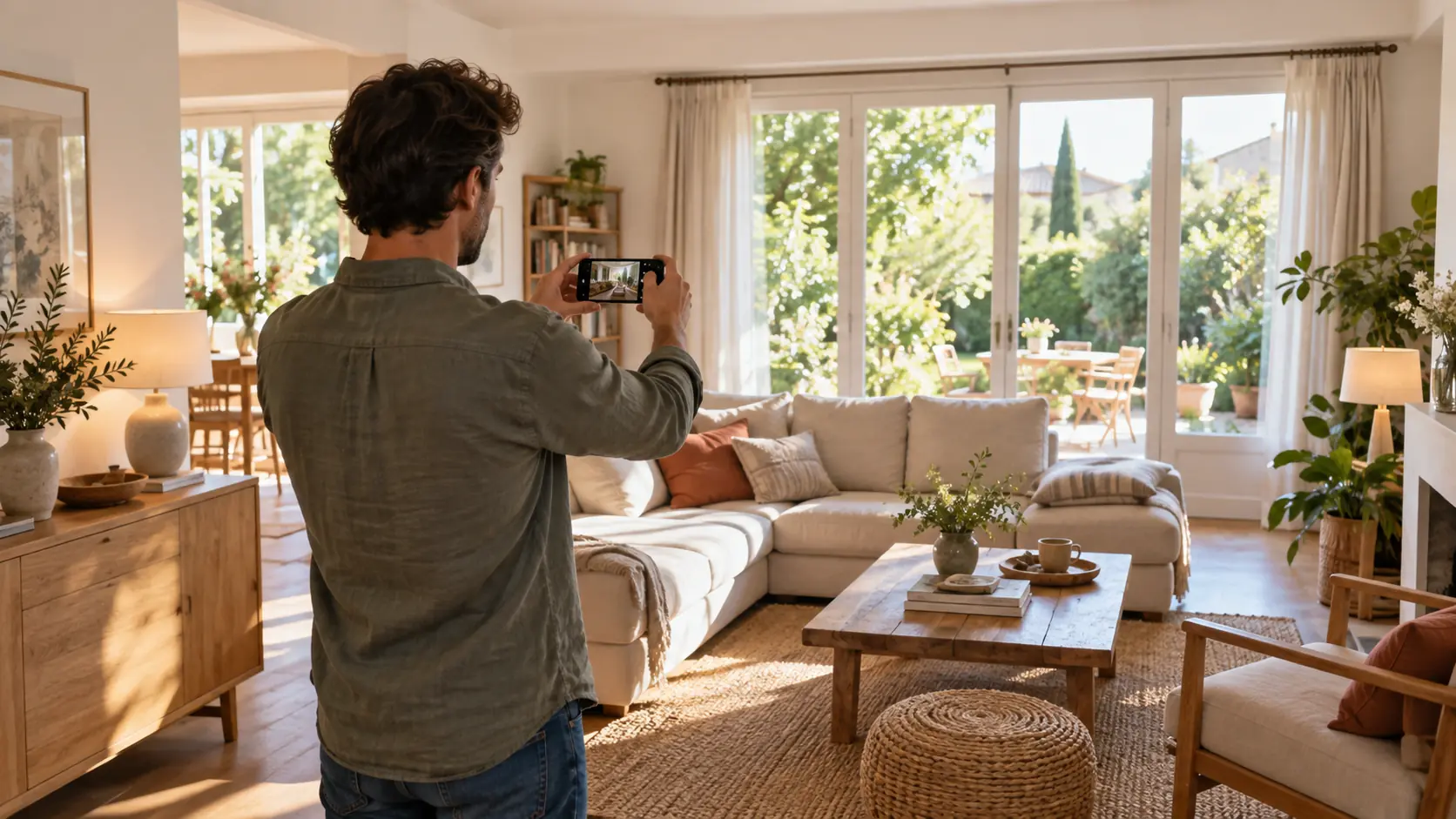
Karim thought he'd shown his house. He'd only shown that it existed. What changed when a friend pointed out the obvious.
Read the case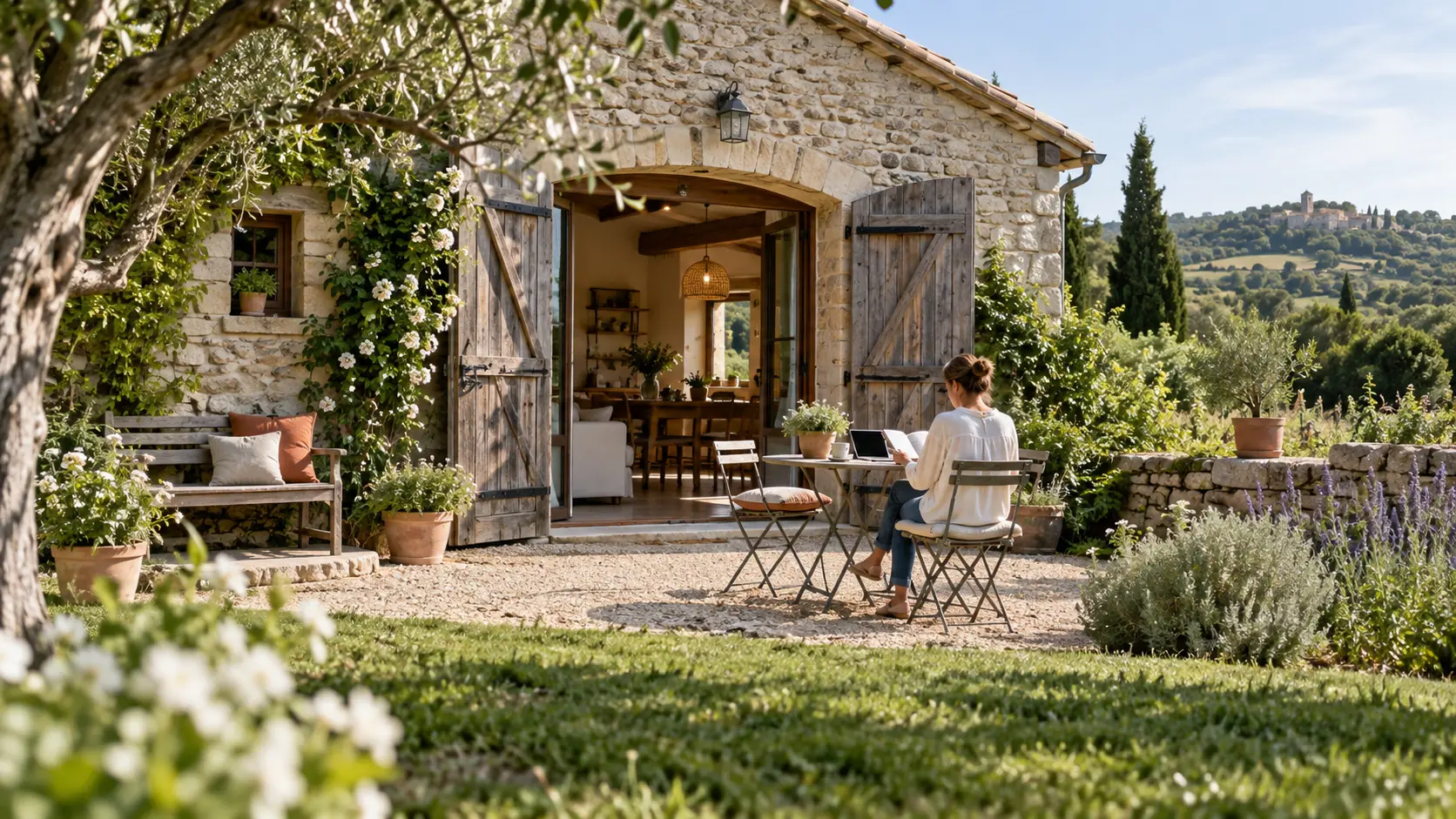
Camille signed up to access a Klub's Kazas before a weekend in Brittany. She left her own aside for six months — until she realized she didn't have to prepare everything at once.
Read the case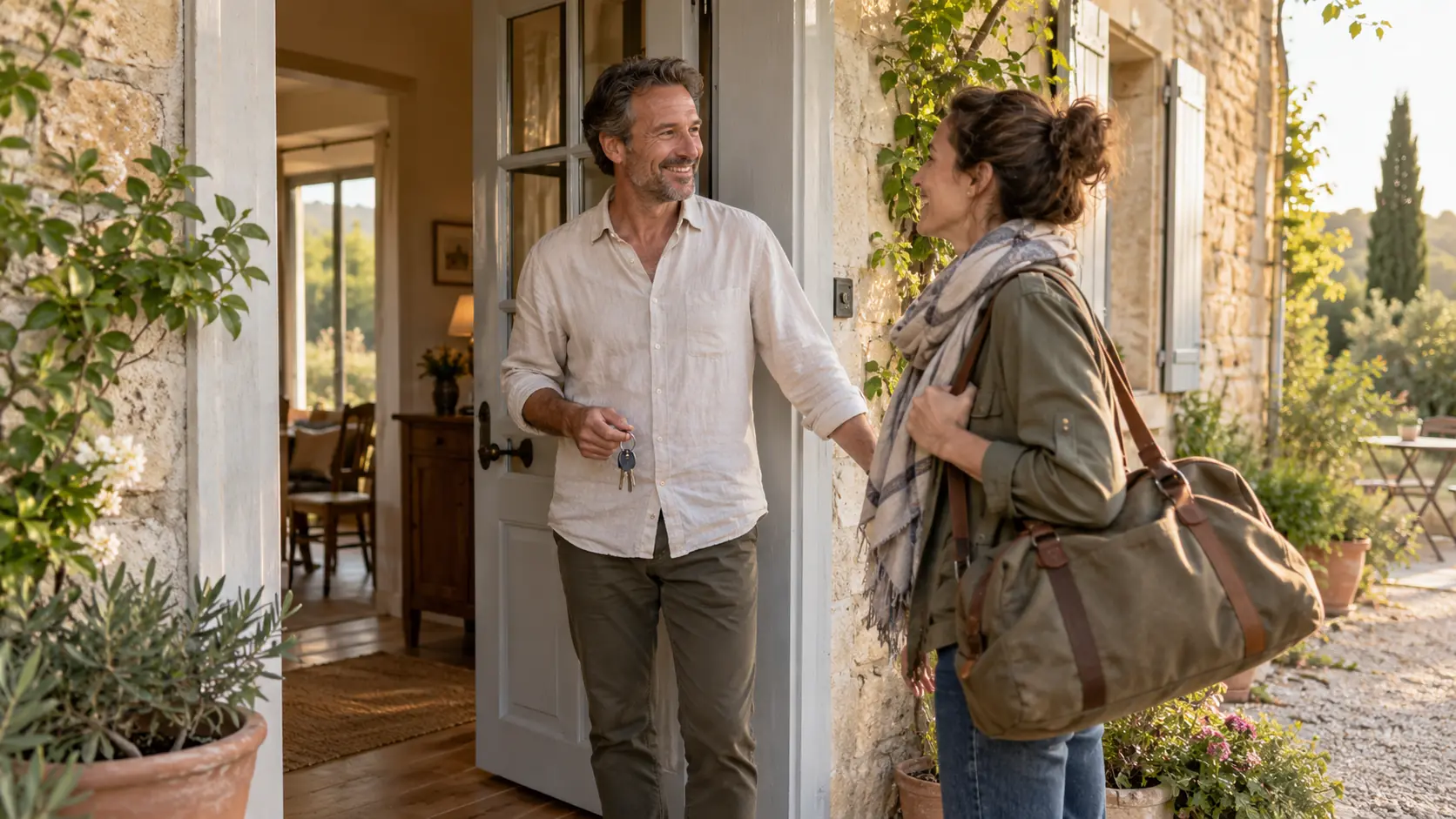
Antoine rents a two-room apartment in Rennes. He has nothing to put into a Klub — and he's been part of one for two years, invited by friends who do have houses.
Read the case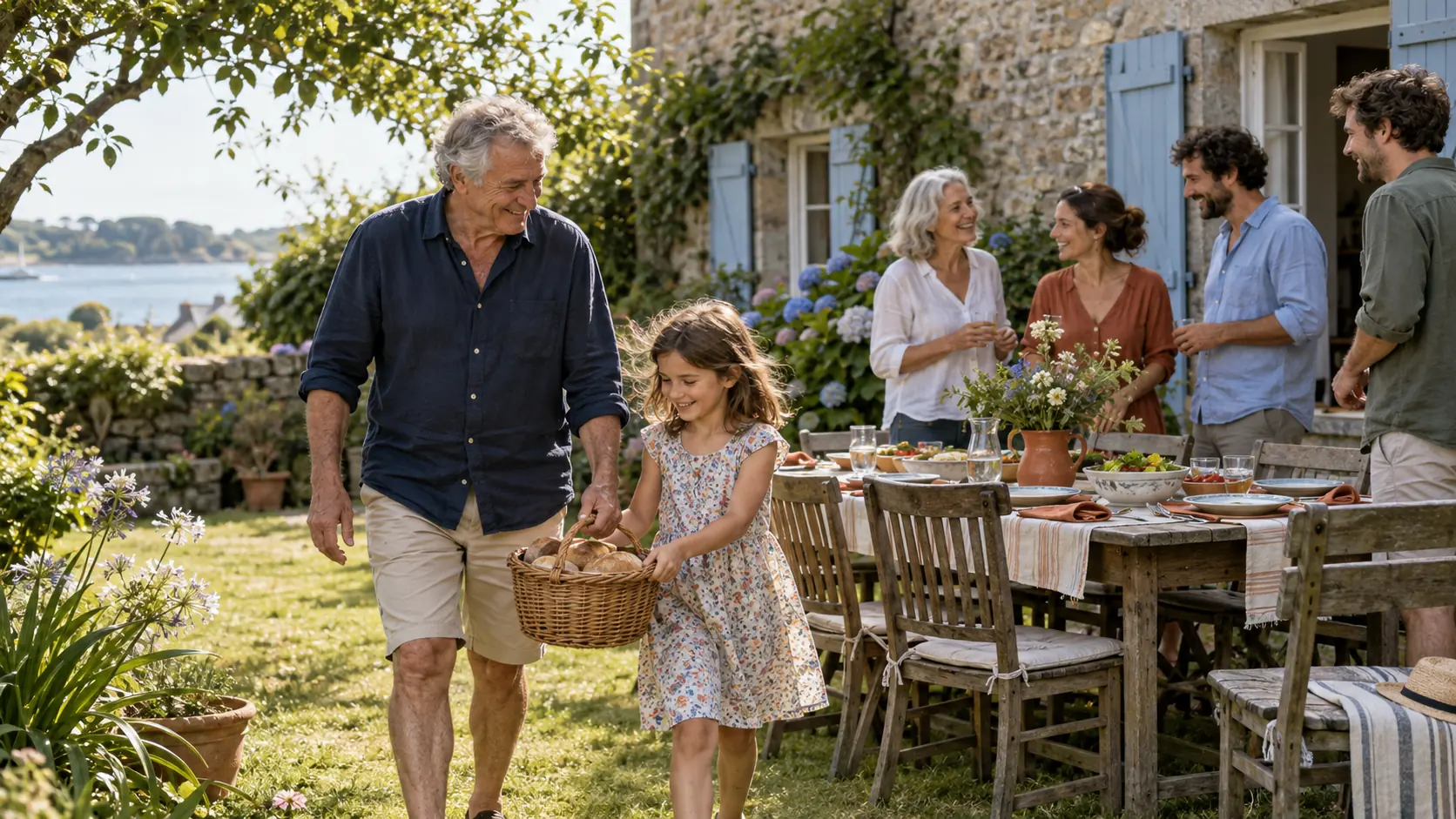
Three children, four cities, Christmases growing more spaced out. The house in Brittany was always there — what was missing was knowing who could come when.
Read the case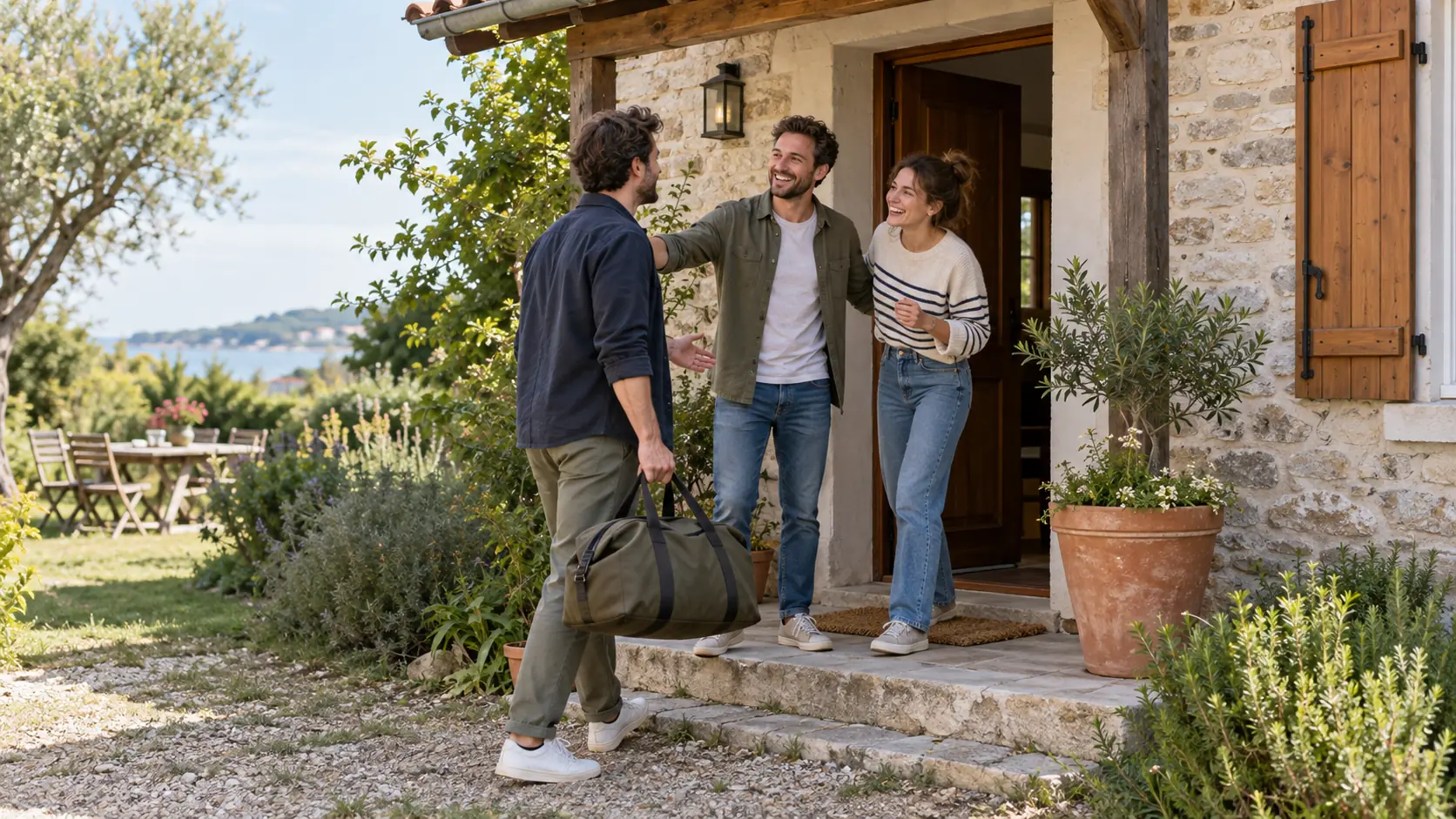
They used to get away three weekends a year, held back by accommodation costs. Since they started sharing their four homes, it happens almost once a month — with no one keeping count.
Read the case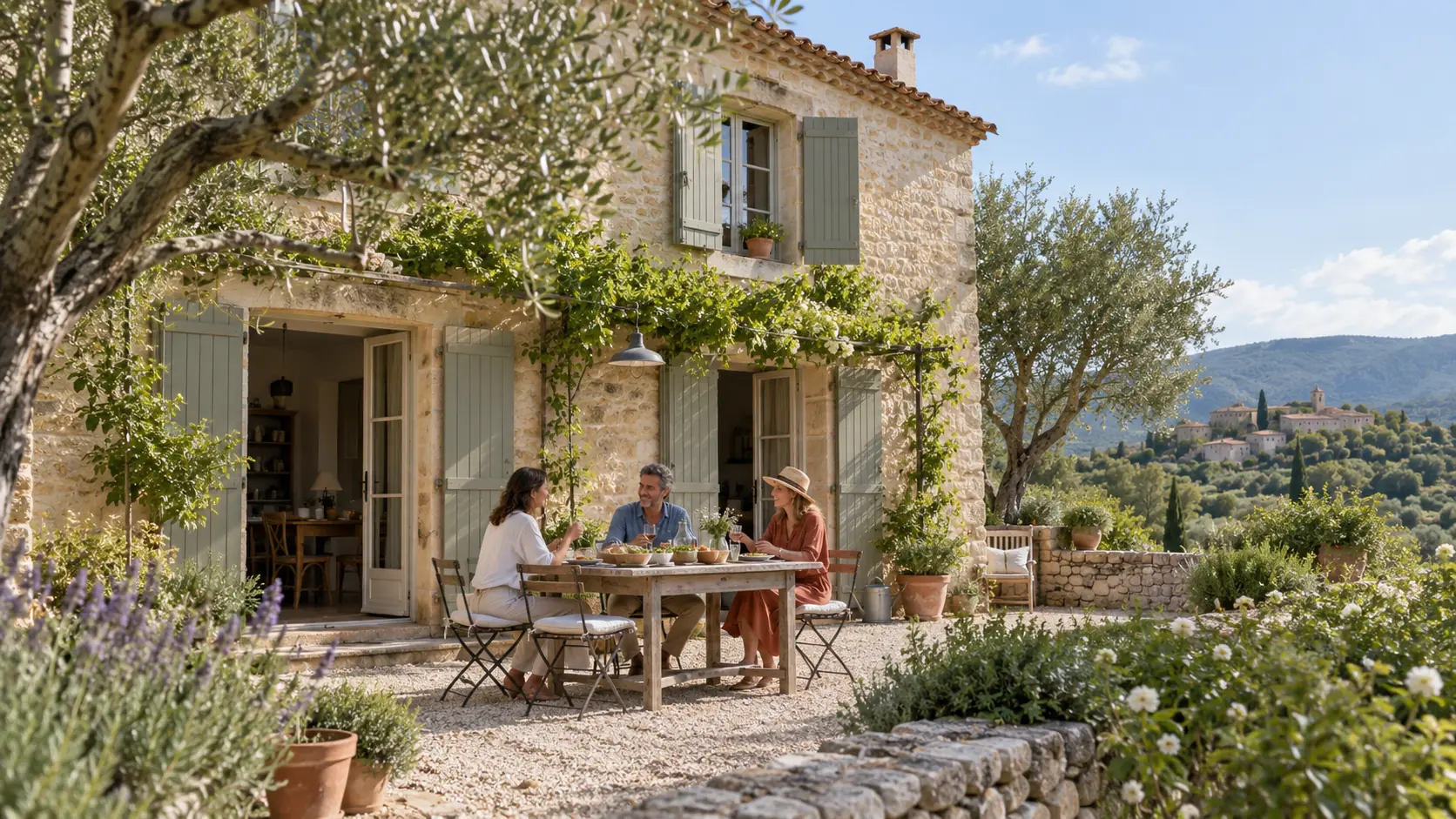
Isabelle had her house in the Luberon appraised twice in three years. She didn't sell it. Today the house is used about twenty weeks a year, and the costs are shared.
Read the case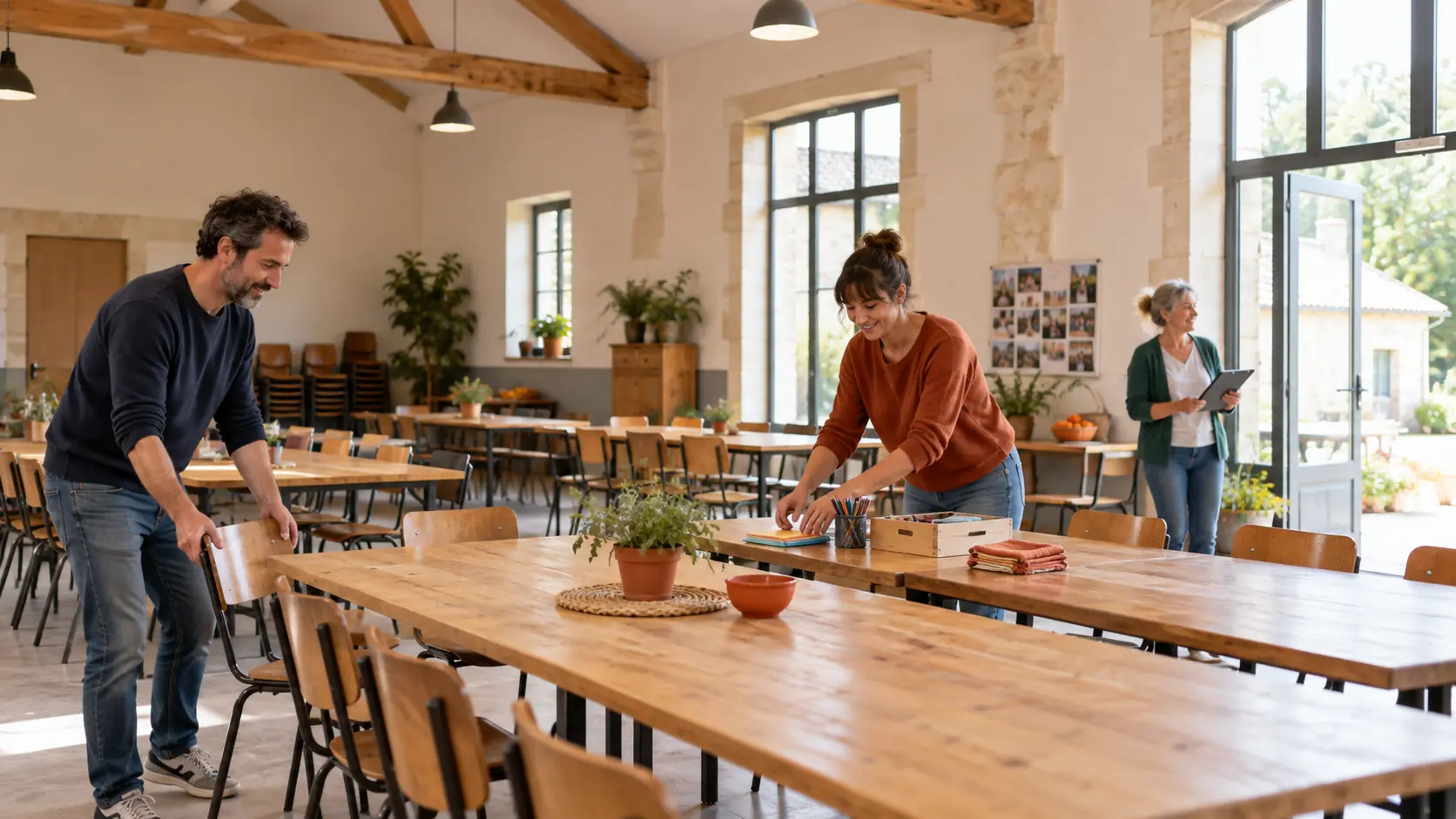
The booking notebook lived in the president's cupboard. Since it was replaced by a shared calendar, the hall is used twice as often — and no one calls on Saturday morning anymore.
Read the case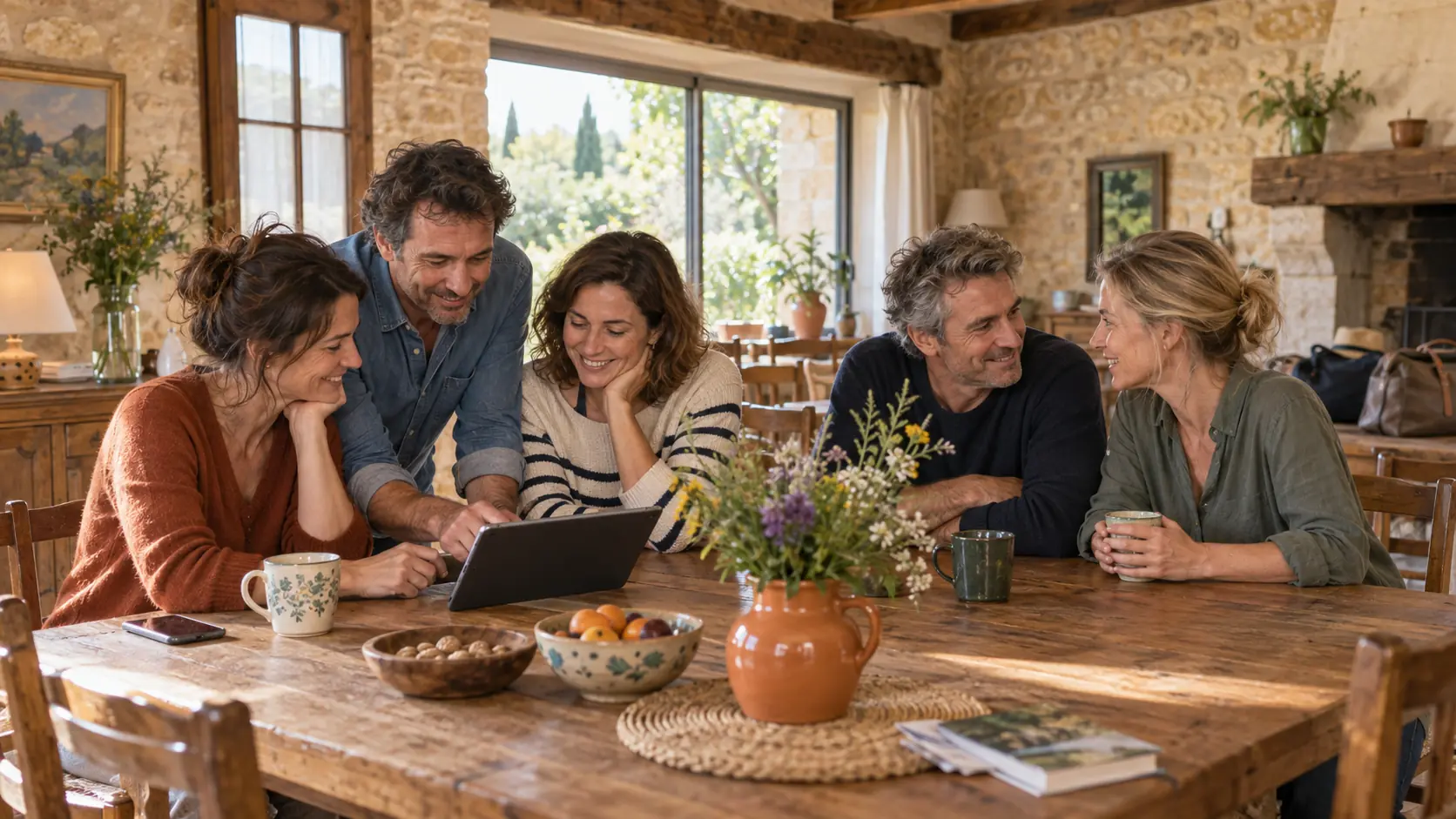
The house in the Périgord stayed closed ten months a year, not for lack of desire but for lack of coordination. The problem wasn't the house: it was knowing who was going when.
Read the case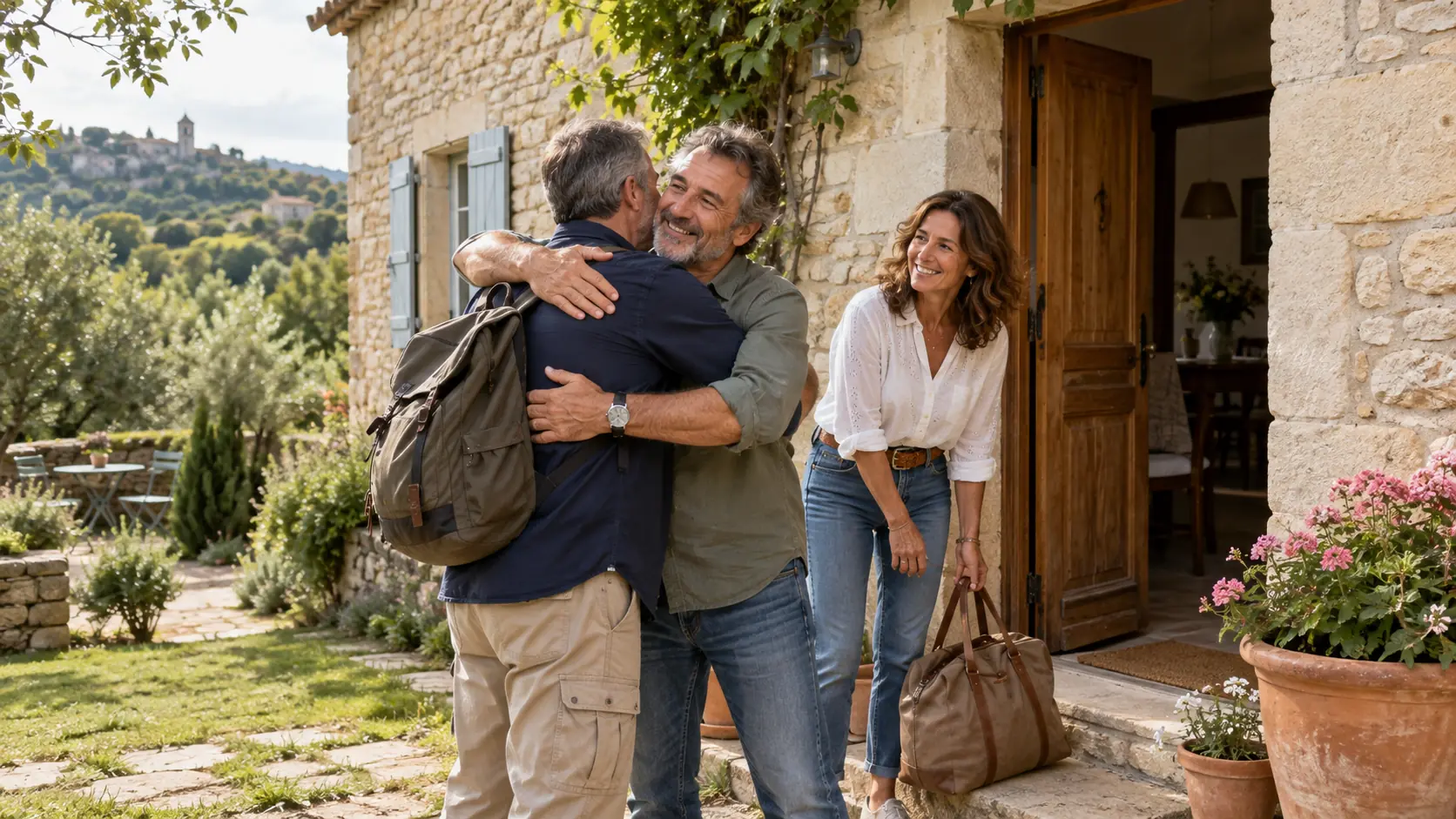
A three-night rental, a living room to redo, and six months of dispute. Since then, his house in the Aveyron only opens to people he knows — but it opens more often than before.
Read the caseFAQs
Home exchanges have given us some of our happiest family memories. We’ve discovered unusual places and regions we would never have visited otherwise. Our hosts and guests have always been warm and respectful of our home and belongings, and have taken especially good care of our cat 🐱.
Yasmine
Family travel
I use KazaKlub for my diving trips. I enjoy planning my getaways around this passion: thinking about accommodation, outings and time spent underwater. It gives holidays a different rhythm, starting with what you really love doing.
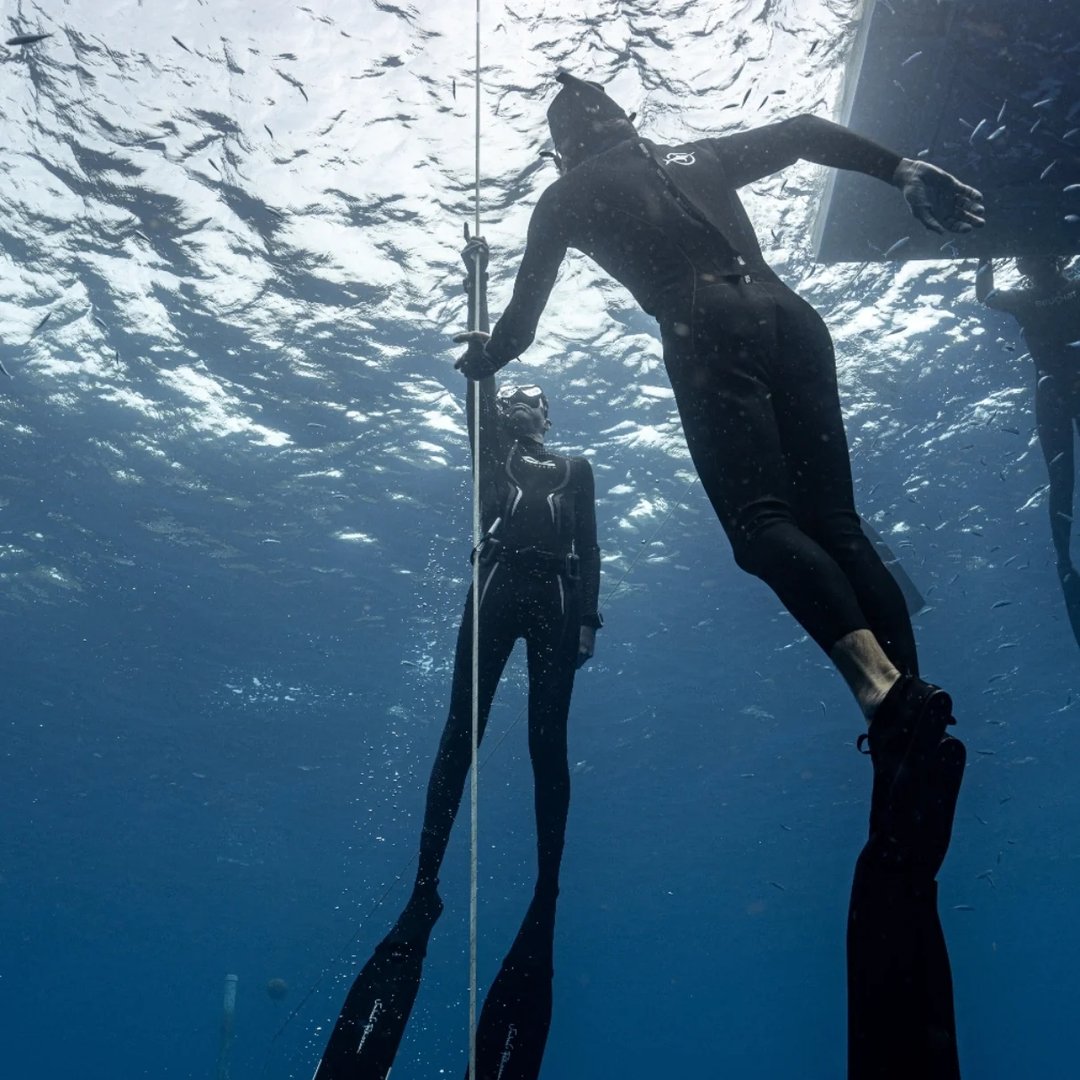
Romain
Diving getaways
Taking the time to talk with your future hosts or guests changes the way you travel. You discover unusual places without feeling like you’re simply passing through as a tourist. When you host, you get to share a more personal view of your region in return. That’s what I like about the idea: meeting people is part of the journey. Give it a try!

Jéjé
People and places
Home sharing has been around for a long time, and it really changes the way we travel! A weekend close to home, a few days in another region or a stay on the other side of the world: the idea opens up new possibilities. It’s a way to imagine holidays differently, depending on what you feel like doing and the time you have.
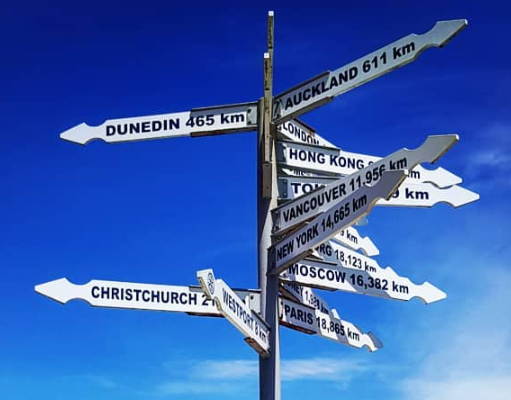
Clara
A different way to travel
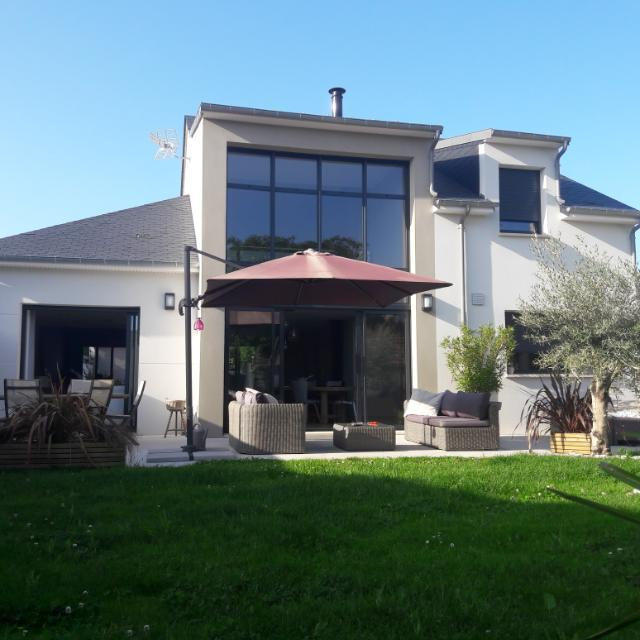
We share our holiday home so our grandchildren can enjoy it too. It matters to me that this family home can be used by several generations, with room for the youngest to spend their holidays there as well.
Vince
Family holiday home
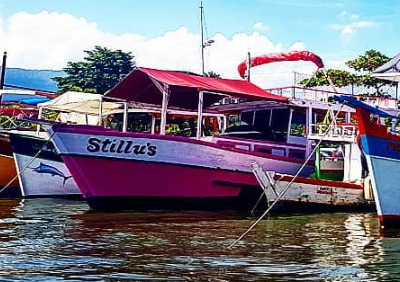
I share my second home by the sea with friends so they can enjoy it too. For me, it’s a way to make the most of the house and share a place I care about with people close to me.
Annick
Seaside stays with friends